Samsung Galaxy Q to Feature Foldable Display, Debuts in 2013?

The idea of foldable and flexible smartphone screen from Samsung is nothing new. We’ve been hearing rumors about the technology for a while, though we’ve yet to see an actual product utilizing the technology. This might be changing beginning next year with the introduction of the Samsung GT-B9150.

So what is the GT-B9150? It is a 5.3-inch sAMOLED HD Dual display device that runs Android and will likely officially be called the “Samsung Galaxy Q”. The rumor mill suggest it will run on an EXYNOS 5250 processor and will have 2GB of RAM. Other specs are believed to be an 8MP back cam, a 2MP front cam, NFC, Wi-Fi, Bluetooth and a 3500mAh battery.

If this proves to be true, this could be huge news. We’ve heard about flexible foldable displays for a long time but we have to realize the dream, yet. What’s the big deal? Basically you get a smartphone when you need it and a tablet when you need more screen real-estate.

Would you consider a flexible phone or not? Do you think it will come out in early 2013 or will yet another delay keep the technology out of public hands?


Source : mobilemag[dot]com

HTC reports Q3 profit of $133M, says disappointing period ahead

HTC reports Q3 profit of $133M, says disappointing period ahead

Much rests on this HTC device

Rough and tumble HTC, the Taiwanese company banking on phones like the Windows Phone 8X and recently announced J Butterfly to push it forward, announced its third quarter financials Friday.

The company reports a net profit of about $133 million (£82.6, AUD$128.5), down 79 percent from $639 million (around UK£397, AUD$617) during the same period one year ago.

Revenue stood at $2.4 billion (UK£1.49, AUD$2.31) last quarter, down from $4.64 billion (UK£2.88, AUD$4.48) last year, or a 48 percent drop.

Moving into the fourth quarter, HTC expects revenue to fall to around $2.05 billion (UK£1.27, AUD$1.98) as it struggles with an operating margine of one percent.

That leaves the firm with a pre-tax income of slightly over $20 million (UK£1.24, AUD$19.3) for Q4.

Not in Nokia's shoes

Despite the tough figures coming out of Taiwan, HTC could at least pat itself on the back for earning an IDC rank as one of the top five smartphone vendors last quarter. IDC is a market intelligence firm.

HTC, along with Samsung (No.1), Apple, RIM and ZTE all made the cut as the largest smartphone manufacturers. Nokia, on the other hand, didn't.

The Finnish company fell from No. 3 during the second quarter to not even making the top five.

Samsung claimed 31.1 percent of the market, followed by Apple at 15 percent (up from 13.8 percent a year ago). RIM took 4.3 percent, a drop from 9.6 percent during the same period last year, while ZTE nabbed 4.2 percent.

HTC squeaked by with 4 percent.

Nokia also has Windows Phone 8 devices dropping on the market soon, with most eyes centered on the Lumia 920 to lead the charge.

Microsoft has offered its support for both HTC and Nokia, including both firms on invites to its WP8 kickoff event Monday.

Though both are getting some strong Washington backing, the two firms seemed poised to fight for market scraps.


Source : techradar[dot]com

Digital Blend: DLC for all! Halo 4, XCOM, Dishonored! Borderlands Legends revealed!

dishonored expansion

Welcome to Digital Blend, your one-stop shop for coverage and recommendations of all things relating to mobile gaming, digital marketplaces, and indie titles (for the week ending October 28).

Welcome back to Digital Blend, our weekly look at the world of downloadable video gaming that exists at the fringes of the mainstream. That means we look at the hottest new mobile game releases, downloadable content drops on consoles and PCs, indie darlings that deserve your love and attention, and the best gaming values under $20.

Keep your comments and feedback coming. We want to hear from you! Did you try something you read about here and enjoy it? Is there a particular game you think we’ve overlooked or news you want to share? Any questions you are dying to ask? Let us know! Your thoughts, feedback, suggestions and (constructive!) criticism are welcome, either in the comments section below or directed at yours truly on Twitter, @geminibros.

Making headlines…

* Lots and lots and lots of DLC news this week. Let’s start with a personal favorite: XCOM! The Firaxis-developed remake launched earlier in October 2012, and 2K Games is now prepping a series of DLC drops that should please fans of the deep turn-based strategy game. First up is the Elite Soldier Pack, which is basically just the pre-order bonus that early buyers received. That one will set you back $5, but it’ll allow you to model your army of alien-stomping soldiers after the look of the grunts in the original game. More exciting is the Slingshot Content Pack, which adds a three-mission story arc to the game and a new NPC “who functions unlike any seen in the game to date,” whatever that means. No release date for Slingshot yet, but stay tuned for more news soon!

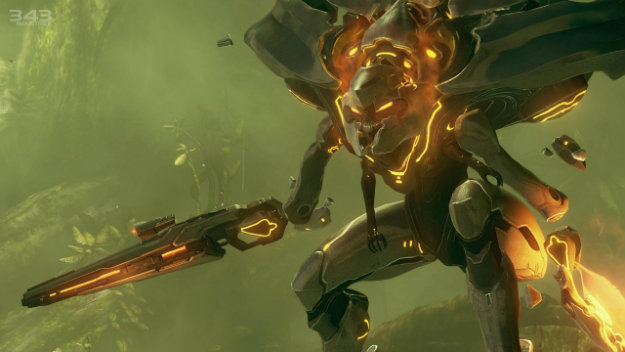
halo 4 torrent* Another favorite is pegged for DLC: Halo 4. The game may not be out yet, but Microsoft offered specific details on what fans who purchase the Limited Edition release on November 6 — a package that includes the “War Games Map Pass” — can expect. The map pass, which will also be sold separately, is a package deal that gets you three upcoming map packs: Crimson (December 2012), Majestic (February 2013), and Castle (April 2013). Each pack adds three multiplayer maps to the game. The packs will of course be sold a la carte for 800 MS Points apiece ($10), with the Map Pass giving you a $5 total savings on the bunch.

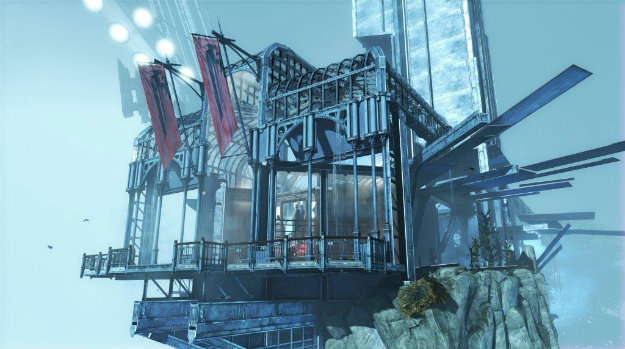
* Okay, all three big DLC reveals this week relate to personal favorites. Last up is Dishonored from Arkane Studios. Play this one if you haven’t. It’s fantastic. Read Ryan’s review if you need convincing. The first of three DLC packs will arrive in December. The Dunwall City Trials DLC adds 10 new challenge maps to the game, including one that amounts to a wave-based survival arena. The second pack is set for spring 2013 and it adds actual campaign content that focused on the character Daud (no spoilers). There are zero details about the final pack; only that it exists and that it’s yet another story add-on. That final pack will also arrive in 2013.

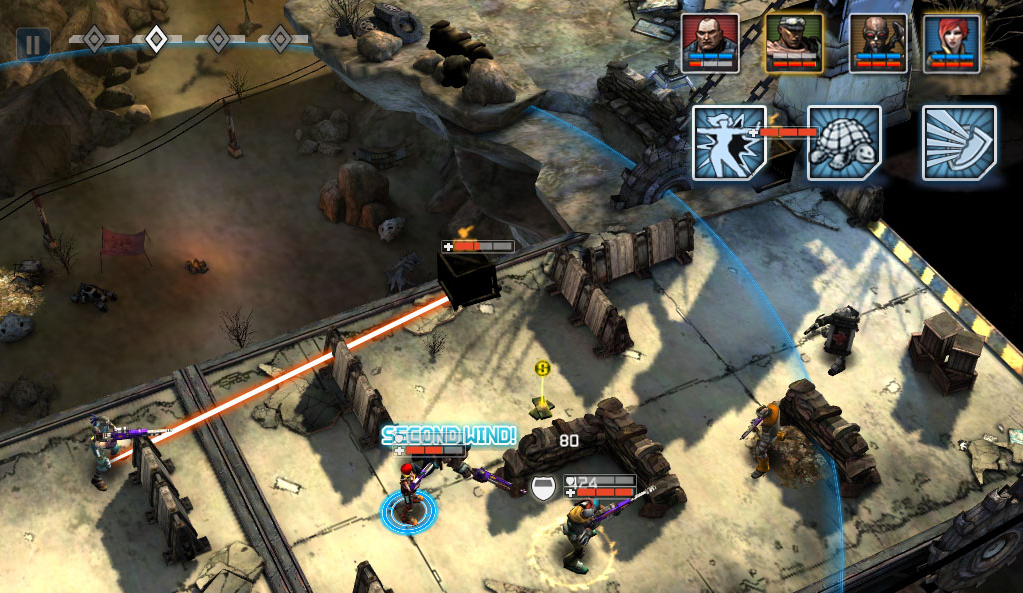
Borderlands Legends* It’s not more DLC, but September’s Borderlands 2 isn’t the only Pandora adventure that fans of Gearbox Software have to look forward to this year. Borderlands Legends is an iOS-exclusive real-time strategy game that is confirmed for release in the App Store on October 31. It’s an unusual twist on the series that was born as a first-person “looter shooter,” with players using swipes and taps to direct the original game’s four Vault Hunters around a series of randomized maps in wave-based encounters. It amounts to a very different kind of game, but all of the familiar Borderlands trappings appear to be in place. Expect this one to be featured in next week’s top buys.

* With all of this juicy game downloading going on, the ESRB is upping its profile in the mobile/downloadable games world. The official U.S. ratings board for video games introduced a new Digital Rating Service this week. The no-cost option is designed to ease the process of getting downloadable offerings rated, which should cut down on headaches for both developers/publishers as well as the ESRB. The new service amounts to an online questionnaire that susses out what sort of game is being submitted and what sort of content descriptors need to be applied. Relatedly, the ESRB will also now start identifying games that share personal or location info as well as those that offer user-generated content.

Top buys for the week…

Killzone HD :: PlayStation 3 :: $14.99

The PlayStation 2 game that launched a franchise, Killzone, is back with a shiny, new HD coat of paint. The newly released Killzone HD doesn’t really change anything about the last-gen game, so while it looks prettier than it ever has before, it’s still just as janky as it’s always been. This one is PS3 only for some reason, so don’t start whipping out your Vitas for it. Note too that if you’ve never played the two subsequentKillzone games on PS3, you can also nab the entire trilogy as a single $39.99 release starting this week.

Hotline Miami :: PC :: $9.99

Pick of the week with a bullet. Or, really, with many, many bullets. A bunch of melee weapons too. And lots of blood. Buckets. Great, overflowing tubs of the stuff. Hotline Miami is the latest in an increasingly popular line of retro-styled games, only I guarantee that you haven’t played anything quite like this one. Essentially a brawler/shooter viewed from a top-down, 16-bit perspective, Hotline is really more of a twitch-based puzzle game with a dark, gory sense of humor. Also, the soundtrack is perfect. I can’t recommend this one highly enough.

NightSky :: Nintendo 3DS :: $9.99

This first of two big eShop releases for the week is a sharp-looking action-puzzle game in which players must move a sphere around the screen in a series of physics-based puzzles. It’s definitely one of the more unique titles available for 3DS, and it’s absolutely worth a look. If only because we all occasionally need a break from enemies and bosses, both of which have no place in NightSky.

Liberation Maiden :: Nintendo 3DS :: $7.99

On the other hand, if you really just want to get your shoot on, then look no further than Liberation Maiden. This Suda51 mech shooter was released in Japan as part of a 3DS collection called Guild01. This amounts to a standalone release of one of the collection’s four games (two others are incoming), and it’s worth way more than the $7.99 asking price. You play as Shoko Ozora, the president of New Japan, as she pilots her Liberator mech to defend her country against invaders. If that doesn’t sell you, then there’s no hope left in the world.

He-Man: The Most Powerful Game in the Universe :: iOS :: $0.99

If you are old enough to remember the ’80s and you happen to own some kind of iOS device, this is a thing you need to own. He-Man: The Most Powerful Game in the Universe is a side-scrolling brawler from Chillingo. What’s awesome about it is that it uses the art from the original cartoon show. None of the music, unfortunately, but the game is strong enough that you’ll be able to overlook that absence. The story also scores major points for not taking itself seriously. 


Source : digitaltrends[dot]com

How to Install Windows 8

Windows 8 drop

Heard the hype? Curious to try Windows 8 for yourself? Here's how to get the shiny new OS up and running in a jiffy, if you're bold enough to take Microsoft's $40 upgrade option seriously.


Windows 8 isn’t just Microsoft’s newest operating system. It’s the most ambitious move the company has made in years. If you remember the 2008 ads that touted “Hi, I’m a Mac. And I’m a PC,” you’ll understand how Microsoft executives have been working hard to overcome stereotypes of Windows as a stodgy, safe, old-fashioned system. But will the app-centric Windows 8 really become the new market standard?

Earlier in the week, we covered both the best of Windows 8 and the most annoying Windows 8 features. There are certainly both pros and cons to installing Windows 8 straight out of the gate, but the only way to know for sure if it’s right for you is to give it a whirl. After all, let’s be honest: are you really going to be satisfied without forming your own opinion? Additionally, if you’re lucky enough to own a touchscreen laptop or a hybrid machine, you’ll want to jump on all the shiny new touch capabilities that Windows 8 has to offer.

Updating Windows 8 from an Earlier Version of Windows

If you’re already running Windows XP, Windows Vista, or Windows 7 on your computer, upgrading to Windows 8 is a breeze. Even more than that, it’s a great deal: For those who bought a Windows 7 PC after June 2, 2012, the Windows 8 upgrade will only cost you $14.99. As of the release date of October 26 through the end of January 2013, an upgrade runs only $39.99. When an operating system costs less than many popular video games, it’s clear that the manufacturers want to jumpstart early sales. In fact, the Microsoft website boasts a tool called Upgrade Assistant designed to streamline the entire installation process. One minute you’re wondering how to get your hands on Windows 8, and the next it’s already up and running. If you want to get Windows 8 the old-fashioned way, you can have the discs shipped to you. However, for the lowest price point, you’ll need to opt for a digital download. Requesting physical disks to be mailed to you increases the upgrade price to $69.99. Never fear, though: you’ll have a chance to make your own physical disc during the installation process. So for those interested in downloading the software, follow these few easy steps:

1. Download and run the Upgrade Assistant.

This free, effortless tool from Microsoft assesses whether your computer meets the system requirements for Windows 8. In addition, it checks out everything associated with your machine, from hardware, such as printers, to software, such as apps. If anything’s not going to run correctly on Windows 8, the compatibility report will give you fair warning so you can decide before you buy.

Upgrade Assistant install windows 82. Buy a copy of Windows 8.

Once your computer passes the spec test, you’ll need to decide if you actually want to shell out for the actual product. Keep in mind that there are several versions of Windows 8. Windows 8 Pro, the upgrade version on sale for $39.99 that we mentioned above, includes remote desktop capabilities and something called Hyper-V, which makes it possible to run other operating systems within Windows 8. Just to make things confusing, there’s also Windows RT, but there’s no need to worry about that; Windows RT comes preinstalled on select tablets and PCs, like the Surface Tablet that we recently had some hands-on time with. When you’re ready to buy, head to the Windows site

3. Run the Windows 8 installer.

If you’ve chosen a digital download, you’ll wind up with a disc image, or “.iso” file. From here, you can either burn the image to a DVD (right-click on the image and choose “Burn disc image”) or mount the image via virtual drive using a program such as Daemon Tools. If you’ve ordered physical discs, all you have to do is pop them in the drive. From here, simply follow the prompts of the installation wizard. Don’t forget the product key! Digital downloaders will find their valid key under the link they used to download their disc image in the first place.

The installation process also includes a chance to make a copy of Windows 8 on a USB drive or DVD. We always recommend making a backup in case you need to reinstall for some reason.

Installing Windows 8 from Scratch

Conversely, if you’re not upgrading from Windows XP, Windows Vista, or Windows 7, Microsoft has made it strangely difficult to perform a clean install of Windows 8. You’ll need to buy a copy of Windows 8 from a third-party retailer, and physical discs are your only option — so if you don’t have an optical drive with a DVD-reader, or an external drive, you’re out of luck for now. That said, here are the steps you’ll want to follow:

1. Make sure your machine meets the Windows 8 system requirements.

These specs should be relatively easy for newer machines, but it’s always a good idea to check.

2. Buy a copy of Windows 8.

This step isn’t nearly as friendly to your pocketbook if you’re installing from scratch rather than simply upgrading. The normal retail version of Windows 8 Pro is rumored to run $199. However, Newegg.com currently has Windows 8 Pro for $139; just select between 32-bit and 34-bit.

Buy Windows 8 install3. Back up existing data.

If you’re performing a clean install of Windows 8 rather than simply upgrading a previous version, keep in mind that the installation process will wipe your hard drive of all previous data. Make sure to back up all your documents, music, photos, and movies beforehand.

4. Run the Windows 8 installer.

Place the Windows 8 disc into your optical drive and restart your computer. During the boot-up process, keep an eagle eye out for a message reading “Press any key to boot from CD or DVD.” You’ll need to hit a key at this time to start up the Windows 8 DVD. If you miss it, don’t worry, just restart and try again.

If you’re successful, you’ll see a flash screen with the Windows 8 icon, and then a series of options to choose from before starting installation. Again, you’ll need a valid product key. When asked what type of installation you want, choose “Custom: Install Windows Only,” which allows for a clean install. If you’re overwriting a previous operating system, you’ll need to delete previous data (make sure you’ve backed up first!). After a waiting process of about 10 to 20 minutes and an automatic reboot, you’ll find yourself in the normal installation wizard. Follow the prompts and you’re done!

[Image Credit: Microsoft Sweden]


Source : digitaltrends[dot]com

Street Fighter X Tekken Vita review: A Technical knockout for Sony’s handheld system

Street Fighter X Tekken review

Capcom has released the most polished version of Street Fighter X Tekken to date on Sony's PS Vita handheld, though beneath the wealth of new features lies the same old fighter.

When it was first announced that Street Fighter producer Yoshinori Ono and Tekken mastermind Katsuhiro Harada had joined forces to create a fighter that would finally pit Capcom’s finest brawlers against those of Namco Bandai, fans of virtual pugilism were beside themselves with glee. Street Fighter (particularly Street Fighter II) is widely seen as the godfather of all modern fighting games, while the Tekken series has proven itself nearly as big a franchise by claiming the coveted spot of best selling 3D fighting series ever created. Given this, and Capcom’s propensity for fighting games that feature characters from multiple companies (see: Capcom Vs SNK and Marvel Vs Capcom), it’s almost odd that these digital brawlers had never before met in the ring, but following the Xbox 360/PlayStation 3 release of Street Fighter X Tekken in March many were wondering if the anticipation was worth it.

Street Fighter X Tekken, the game has been released yet again for the PS Vita handheld, and much like Capcom’s Vita iteration of Ultimate Marvel Vs. Capcom 3, this re-release includes a number of new, interesting features. Frankly, there’s so much new stuff here that I’m still trying to process it all.

New Age Of Heroes

Maybe I missed a memo at some point, but these days it seems to be an unwritten law that all big-name releases on Sony’s Vita must include at least three novel uses of the handheld’s exclusive features. After all, Sony didn’t install gyroscopic sensors and two touchscreens in the Vita just to have them ignored by developers. In keeping with this trend, Street Fighter X Tekken is packed to the gills with quirks not seen in its console predecessors, though the majority of these additions are of dubious utility.

Street Fighter X Tekken (Vita)

Take the game’s controls for instance. Though the Vita’s six physical buttons do an excellent job of recreating the Capcom-standard six-button control scheme seen in the Xbox 360 and PlayStation 3 iterations of Street Fighter X Tekken, the game also includes a feature dubbed “Battle Tap” that allows players access to another six “buttons” that take the form of regions on the Vita’s dual touchscreens. By default you’ve got four buttons arranged in a square grid on top of your opponent, as well as two others which each occupying one-half of the rear touchscreen. If you don’t like this arrangement, you can resize and reposition any of the buttons (as well as dictate what you’d like each to do), though removing individual buttons doesn’t seem possible.

This feature should be infinitely useful to players, as it allows them to trigger a character’s special moves by simply tapping various spots on the Vita’s screen, but in practice Battle Tap is more of a hindrance than anything. Before I figured out how to disable this feature I constantly found my fingers sliding onto parts of the handheld that would immediately fire off a totally unplanned attack. That rear touchscreen seems like an ideal place to curl your fingers around the back of the machine, but with Battle Tap enabled the only safe place to rest your extra digits is in the cramped grip wells on either edge of the handheld. While I imagine one could eventually get used to Battle Tap (and subsequently pull off special attacks with inhuman speed), this game’s learning curve is large enough as is without forcing players to adjust how they hold their gaming device.

That said, if you’re one of the few people for whom Battle Tap seems like a boon, you’ll be glad to hear that in addition to the aforementioned touchscreen functionality, Street Fighter X Tekken also includes a Casual Style mode that expands the Battle Tap concept to its (il)logical conclusion. In Casual Style, the Vita’s standard six buttons are disabled, along with the handheld’s directional pad and its joysticks. Instead of actively controlling where your fighter goes, you tap various parts of the screen then watch as your chosen martial artist either travels to the specified point or, assuming it’s nearby, launches an attack. I’d like to think there would be some strategic wrinkles exclusive to this mode, but in all of the matches I played with Casual Style turned on all of the attacks I launched were seemingly at random. 

Street Fighter X Tekken (Vita)

Another example of baffling new functionality comes in the game’s Augmented Reality mode. Here players are able to capture an image of the real world using the Vita’s cameras (either the front or rear one) which can then be “improved” with the addition of a character model taken from the immense Street Fighter X Tekken roster. Since the game offers no real explanation for this mode — this trend of not including manuals with Vita releases is becoming problematic — this is how I discovered that you need excellent lighting conditions before the game will even display the character you’ve chosen. If you don’t have ample light the game will simply display a “Loading Character” notification indefinitely. Sadly, once I figured out how to get Blanka to perch on my laptop, I discovered two more issues: There’s no precise way to place and orient your fighter and any images created in Augmented Reality mode look terrible.

Then again, assuming this mode worked as advertised, and assuming there are actual human beings out there wishing they could somehow capture a picture of Kazuya posing in front of their worryingly large collection of wall scrolls, that still does nothing to explain why Capcom would add this feature to a game that is supposed to be a tag-team-based fighter. It just doesn’t fit with anything else here.

That’s not to say that all of the additions Capcom made to the Vita iteration of Street Fighter X Tekken are detrimental. Outside of the modes mentioned above, the touchscreen functionality works really well and makes navigating the game’s occasionally-labyrinthine menus a snap. Likewise, the color customization features in this game are better than they’ve ever been. Scrolling through color options and selecting various elements of the character feels very intuitive, and while the customization functionality remains basically the same, this single, well-designed addition elevates the Vita’s character customization options far beyond those seen in earlier versions of the game.

Crisis Zone

The most heralded new addition to the Vita version of Street Fighter X Tekken is undoubtedly its cross-compatibility with the PlayStation 3 iteration of the game. That’s not what I’m going to be talking about in this section, simply because it works exactly as it should. DLC costumes, and characters can be transferred between the handheld and its console kin, and players on the Vita can play online against those on the PlayStation 3. The whole process is quick, relatively simple and just works.

Street Fighter X Tekken (Vita)

However, in testing this out I discovered exactly how complicated the DLC scheme for this game can be. Alright, let’s start simple: Everyone who buys the Vita version of Street Fighter X Tekken will find a code printed on a small card within the game’s case that has myriad functions. First, it grants Vita players alternate costumes for the 38 characters in the original Street Fighter X Tekken cast. Second, it also grants access to alternate costumes for the 12 DLC characters that joined the game’s cast months after its debut. Third, it allows those who also own the PlayStation 3 version of Street Fighter X Tekken to download those aforementioned 12 DLC characters for free. Those are all nice bonuses, but this is where things get complicated.

When Capcom sent over our review copy, it was, as usual, accompanied by a printed bullet list of features the company wanted to be sure journalists focus on during their time with Street Fighter X Tekken. This list vaguely states the above features I listed for that DLC code, but then for some reason also claims that those who pre-order the game will receive a code that allows for the download of those same alternate costumes for the 12 DLC characters. Why would it do that? I have no idea, so after a lengthy email exchange with Capcom I finally started to figure out how this system is supposed to work. Fortunately for those of you who don’t have Capcom representatives at your beck and call a comprehensive, explanatory post on the company’s official blog has been created that sorts all of these DLC issues out.

Whether you’re interested in this game and its DLC or not, please take a moment to have a look at that blog entry. If that scheme seems convoluted to you, congratulations, you have eyes. 

Dark Resurrection

If it seems odd that I’ve written 1600-plus words so far without mentioning the actual fighting in this fighting game, that’s only because outside of the new Vita-specific features this is the exact same game we reviewed in March.

During battle, Street Fighter X Tekken seems a logical extension of the gameplay seen in Capcom’s “Versus” fighters to date. Normal attacks, specials and super moves are all as you remember them. In fact, given Street Fighter X Tekken’s ability to crossover with the PlayStation 3 game, the basics of both titles are necessarily identical. Whether this is a positive or not depends entirely on how you feel about Street Fighter X Tekken as a whole.

SF x T

Personally, while I love the character selection (especially with the Vita’s massive roster which includes all 55 playable characters seen in any earlier iteration of the game) and find the graphics and aesthetics on par with the excellent Super Street Fighter IV, the gameplay itself is a bit overly complex. Not only does the game feature the arguably outdated six-button control scheme (as opposed to the newer, simpler four-button scheme seen in Marvel Vs Capcom 3), the various Super Arts and Cross Assault attacks are far less user-friendly than they might be. While it’s convenient that you can launch a Super Art by charging the move even if you don’t have the requisite amount of meter available, that’s only true because the Vita’s diminutive buttons make it overly difficult to enter the standard directional and button inputs necessary to launch a Super Art in the traditional fashion. On the Xbox 360 and PlayStation 3 (both of which have larger, more comfortable buttons) there’s always the option of picking up a fighting stick and using that instead of a handheld controller, but on the Vita you’re stuck with the standard control scheme. 

Still, the above complaints are rather minor. You will have to spend time learning Street Fighter X Tekken’s unique nuances, but once you’re up to speed (and the game’s multiple training modes do an excellent job of teaching each character’s various moves and combos) this is yet another excellent fighter from Capcom. I like this game a lot, and given that its online multiplayer mode (which is roughly identical to that seen on the Xbox 360 and PlayStation 3) is surprisingly lag-free, it’s become my go-to mobile fighting game fix. Given that it just replaced the Vita version of Ultimate Marvel Vs Capcom 3, that should be seen as a huge compliment.

Conclusion

Though the novel Vita-exclusive features are largely a bust, and even those that are useful have little effect on the actual fighting gameplay, Street Fighter X Tekken is undoubtedly the most complete release of this title to date. I wouldn’t recommend the game based on any of those features, but since its core gameplay is functionally identical to that seen in the earlier Xbox 360 and PlayStation 3 iterations of Street Fighter X Tekken, I’m more than willing to promote the game to Vita owners as an excellent portable fighter. Honestly, given the lack of quality software available for Sony’s handheld this game almost earns “must buy” status by default.

If you do buy Street Fighter X Tekken though, I implore you to pore over that blog post detailing the game’s DLC costume offerings. You’ll be kicking yourself if you attempt to buy something you should already have access to, and unfortunately that’s a very real possibility.

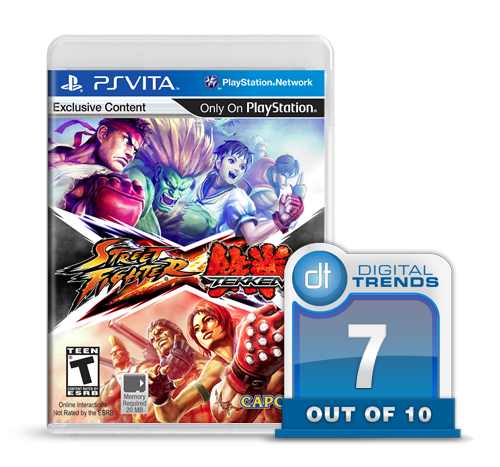
Score: 7/10

(This game was reviewed using a PS Vita copy provided by Capcom.)


Source : digitaltrends[dot]com

It's free
index