We take a moment to consider what's ahead for gaming software and hardware in 2013.
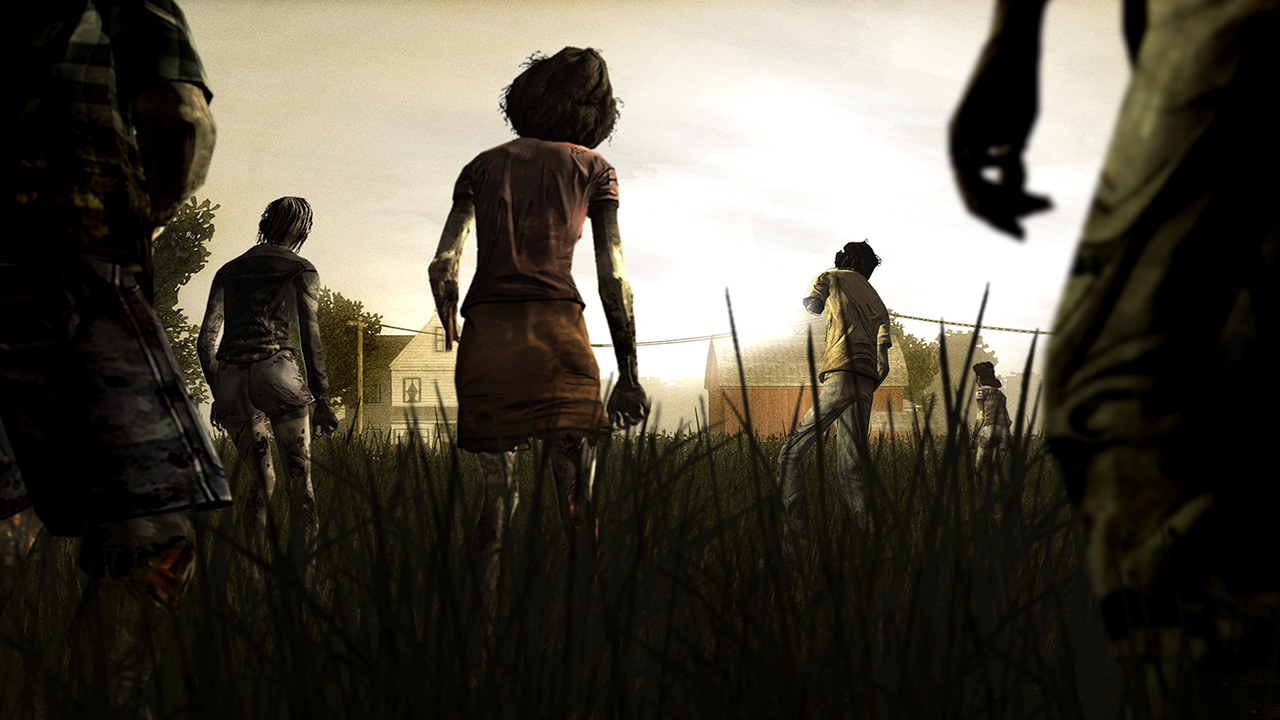
How many of us cried because of a video game in 2012? I’d wager that the figure is a lot larger than most may expect thanks to the incredibly involving story that Telltale Games’ writing staff crafted for The Walking Dead. What does the monumental success of a genre that was pegged earlier in 2012 as “a bit of a lost art form” – by adventure game authority Tim Schafer no less! – mean for 2013?
How about the looming console war? Nintendo’s Wii U is here, the first shot fired in the eighth console generation. Next-gen follow-ups from Microsoft and Sony are all but assured, even if neither company has officially revealed anything. Will 2013 bring news of their plans? Perhaps even a hardware release? What other sources of competition must the two industry titans worry about? Is the Ouya a threat? Or Valve’s rumored “Steam Box” hardware?
The fact is, there are a lot of question marks swirling around 2013. The coming year may well be a landmark one in the realm of video games, with changes large and small speaking to the wider acceptance of different interactive entertainment forms. With the global New Year’s Eve party only days away, we’re taking a moment today to consider what we know, what we don’t know, and what all of it means as we look ahead to 2013.
The Next-Gen Conversation
There’s no topic that will be more widely discussed in 2013 among video game-loving folk than the coming of next-gen hardware. The current generation of games is still delivering on all fronts and even raising the bar in places, but the console hardware from Sony and Microsoft is starting to creak. You can’t play the PC version of Far Cry 3 and not immediately feel the difference between it and the console versions – in visual execution, in AI capabilities, in any number of elements. Nintendo’s Wii U is out and you don’t have to be an industry analyst to recognize that it won’t be long before Microsoft and Sony (and perhaps others) follow suit. In fact, there’s compelling evidence right now that Microsoft specifically has some big plans for 2013.
But first let’s look at the start-of-year release calendar. The list of releases hitting stores between January and May 2013 is truly daunting – even just the three-month period that is Q1. DmC: Devil May Cry, Ni no Kuni, Dead Space 3, Fire Emblem: Awakening, Sly Cooper: Thieves in Time, Aliens: Colonial Marines, Crysis 3, Metal Gear Rising: Revengeance, Rayman Legends, SimCity, Tomb Raider, God of War: Ascension, StarCraft 2: Heart of the Swarm, Gears of War: Judgment, and BioShock Infinite are all fully confirmed for release in Q1. Not to mention the successfully Kickstarter’ed, Android-powered Ouya console.
 Subsequent months will see the release of highly anticipated titles like The Last of Us, Tom Clancy Splinter Cell: Blacklist, and Grand Theft Auto 5. The concentration of major franchise releases in early 2013 is heavier than it has ever been before that same time period in previous years. Even Gears of War, what is traditionally a fall-releasing franchise, puts in an appearance, albeit as a spin-off story.
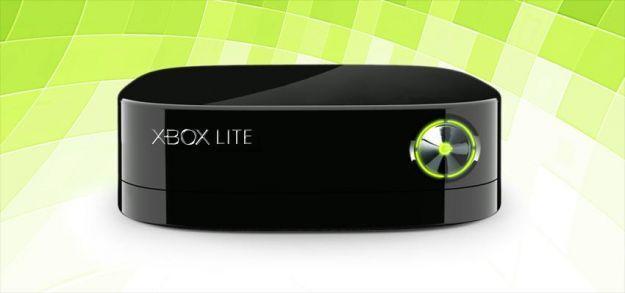
Now consider the rumors. We’ve heard a lot of unconfirmed talk about Microsoft’s next-gen plans. The coming Xbox 360 successor could be arriving before or by Thanksgiving 2013. It might simply be called “Xbox,” and it will support Blu-ray playback. It will be released alongside a 7-inch Surface tablet that is dedicated to Xbox gaming. The hardware is likely to be an expensive purchase, but Microsoft will continue to offer smartphone-like service contracts for price-subsidized alternatives. So many rumors. The latest is that there will be two Xbox models, both set-top boxes, with one geared toward casual audiences and the other geared toward serious gamers.
Here’s the really interesting part though. Microsoft is not a company that is known for entertaining rumors. The standard company response for any media queries relating to unconfirmed news is: “Microsoft does not comment on rumors and speculation.” Yet when The Verge reported on the rumored set-top Xbox console plans and reached out to the company for comment, the reply was – very surprisingly — not that. Instead, Microsoft offered a non-specific statement that confirms nothing but says a lot. Read it for yourself:
Xbox 360 has found new ways to extend the console lifecycle by introducing controller-free experiences with Kinect and re-inventing the console with a new dashboard and new entertainment content partnerships. We are always thinking about what is next for our platform and how to continue to defy the lifecycle convention.
Given all of this, the smart assumption is that the next-gen iteration of the Xbox, no matter the form it might take, is coming in late 2013. Between the total lack of confirmed holiday 2013 game releases — very unusual at this point in the year — and the rush of rumors, it seems almost a certainty. Microsoft’s break from the norm with the above statement merely reinforces that line of thinking. Don’t forget that every word of this is speculation, but I’d be very surprised if the next Xbox didn’t show itself in 2013.
 Things are considerably less clear on the Sony side. While there’s little doubt that the company is working on its next-gen PlayStation offering, it seems unlikely that the plans include a 2013 launch. “Orbis” is the name that frequently floats around in relation to the next PlayStation hardware, though “Thebes” was also recently revealed as a possible codename. Various unnamed sources indicate that Sony’s plan calls for a spring or fall 2014 release, though again, nothing is confirmed.
Sony is historically known for its news leaks. Word of the PlayStation Vita, the PSP Go, and the various PlayStation 3 model updates slipped out well in advance of the company’s official reveal, often with supporting images. The fact that we’ve seen nothing of the sort for the next Sony console hardly confirms anything, but it’s definitely a factor to consider. Company president Shuhei Yoshida has been pretty clear in his public statements that the company isn’t ready to talk about the end of the current hardware generation.
The only thing we can really gather at this point is that Sony’s next console won’t be called “PlayStation 4.” The Japanese word for the number four is “shi,” which does double-duty as the word for “death.” While a name like “PlayStation Death” might foster favor with the action-loving gamers of the world, it’s not exactly the best route to follow, from a PR perspective. So while it’s unlikely that you’ll see the “PlayStation” brand go away, it’s probably safe to expect something other than “PS4,” especially in Japan.
Then there are the upstarts. Expect to see continued growth for Nintendo’s Wii U platform, which shows a lot of promise in its current form. Some patching will need to be done, but the real test will come on the content side. Nintendo has to make up a lot of ground among serious gamers due to the Wii’s ever-shrinking relevance as a platform for blockbuster releases. Motion control endures as a useful gimmick, but the Wii’s real success as a mainstream audience-pleasing toy was quickly outdone by the rise of smartphones. The Wii U is more competitive with current hardware than its predecessor, but we’ll have to wait and see if it can measure up against the next-gen.
Mobile gaming is a beast unto itself. Where many gamesmiths on the console/PC side work to enhance the artistic qualities and capabilities of the medium, mobile platforms are (mostly) content to deliver low-price, low-impact eToys. Some might call it “Kleenex gaming,” the sort of experiences that you can pay a buck for, play for the length of a bus ride, and promptly forget about. That’s not true of all mobile games of course, but it is definitely the case for the vast majority.
The thing is, mobile tech advances at an incredibly rapid rate. It’s mostly just playing catch-up with the current generation of PC (as in “personal computer”) hardware. If rumors of a Surface tablet built specifically for Xbox are true, our concept of mobile gaming could broaden considerably in 2013. It is a virtual certainty that tablets and even smartphones are going to achieve performance parity with heftier PCs and consoles one day. 2013 won’t be the year for that, but it’s coming, and soon.

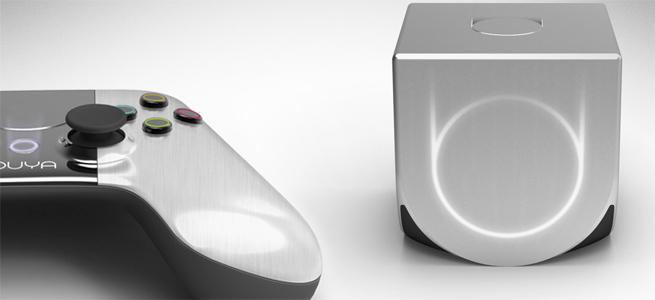
Ouya is yet another wrinkle in the Kleenex gaming puzzle. The Kickstarter success story is arriving before anything else – as soon as March 2013, provided the developers stick to their previously set schedule – but it’s also the biggest question mark of this bunch. We know that the tiny box contains the power of a mid-to-high-end Android tablet. An open-source approach makes the console completely hack-able by design. The concern is that tablet tech advances very quickly, and the Ouya’s Tegra 3 chip from NVIDIA may well be outdated by the time the console arrives in backers’ hands. It’s an affordable HD console that plays tablet games, but is the tablet gaming audience really asking for Angry Birds on their TV? How is Activision’s console release of Angry Birds faring?
Ouya will have a lot of big-screen comptetition, between the dedicated consoles and Valve Corporation’s plans for a more hybridized approach. Various rumors surfaced throughout 2012 that suggest the company has some hardware plans in the works. The idea of a “Steam Box” was outed earlier this year as a gaming dedicated PC spec that hardware manufacturers can conform with for guaranteed Steam games support. Your average gaming console is fundamentally a gaming-dedicated PC, and the concept of a “Steam Box” takes that line of thinking one step further.
Between Big Picture Mode and the addition of non-gaming software to Steam, it’s clear that Valve is looking to broaden its appeal to a wider audience. The company’s own Gabe Newell even said straight out earlier this month that Valve will be releasing its own, Steam-loaded hardware. He revealed that the company’s hardware offering “will be a very controlled environment” designed specifically to cater to the Steam experience. He added that a more general-purpose PC will accomplish the same thing, with the added benefit of full PC functionality.
With all of this going on, you have to wonder where dedicated cloud gaming services are going to fit in. OnLive isn’t in the best shape following its late-summer implosion, though we saw a small sign of life in November when an update added support for the service to LG’s Google TVs. Gaikai was looking like a solid OnLive competitor until it was purchased in July. Sony was the buyer, which raises many questions about how content delivery will work on the company’s PS3 successor. The biggest mystery of them all is Spawn Labs, the official Cloud Gaming division of GameStop. The brick-and-mortar retailer faces grave threats in the rising popularity of digital distribution and the efforts of Spawn Labs should become visible in the coming year.

Trends In Gaming
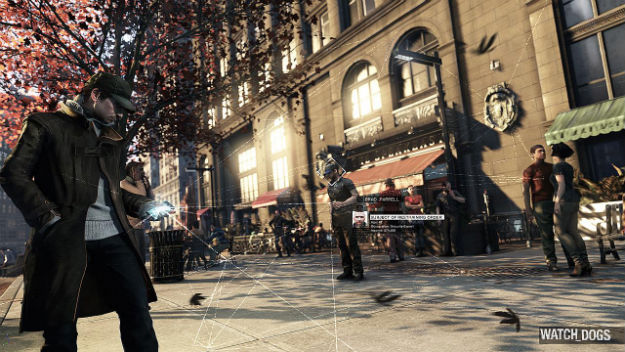
Hardware rumors are fairly common, but early reports on actual games is much more an exercise in guesswork. It seems pretty clear that games like Ubisoft’s Watch Dogs and LucasArts’ Star Wars 1313 are bound for next-gen hardware, but there’s very little beyond the realm of hearsay to work with. Assuming that the next-gen console conversation is fueled with official confirmations in the first half of 2013, you can expect some major news on launch games and new IPs to start churning out between the 2013 Game Developer’s Conference in March and E3 in June. All that said, let’s speculate a bit.
The runaway success of Telltale’s The Walking Dead coupled with the Kickstarter behemoth that is Double Fine Adventure means that we’re almost certainly going to see more of a push from major publishers for adventure games. Madden and Call of Duty are virtually guaranteed multi-million-sellers every year, but The Walking Dead has the same sort of crossover appeal that makes AMC’s TV series such a monumental hit. Between the episodic release structure, the user-friendly, story-driven gameplay, and the piles and piles of accolades and honors, there’s little doubt that giants like Activision and EA will try to hop on the bandwagon.
 Episodic ongoing stories also get around the rising sense of sequel exhaustion among gamers. It’s telling that Dishonored was one of the year’s most talked about games. Unless you’ve got an established universe like Star Wars or Marvel’s multiverse to lean on, you run the risk of burning gamers out with annual releases. Call of Duty is the clear example here, a yearly franchise release that is constantly dogged by fans for its focus on expansion over innovation. Sales numbers for the series seem to have reached critical mass, and while The Walking Dead hasn’t come anywhere near the same level of sales success, there’s some magic at work in Telltale’s release formula. The real test will come when the adventure game’s second season launches, but you have to believe that bigger publishers are already looking for way to emulate that success story.
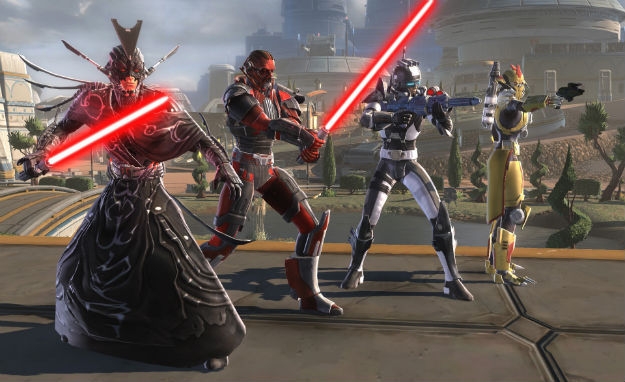
It’s also impossible to ignore the rise of free-to-play in 2012. It seems that the traditionally subscription-based approach for massively multiplayer online role-playing games is on its way out. The year has been riddled with commentary on Blizzard’s World of Warcraft and the fact that its popularity seems to be in decline. The 2004 release peaked in 2010 with roughly 12 million subscribers, but in the time since those numbers have dropped to below 10 million. The success of the subscription-free Guild Wars / Guild Wars 2 no doubt inspired studios like Funcom and BioWare to re-define their recent MMOs – The Secret World and Star Wars: The Old Republic, respectively — as free-to-play propositions.
 Free-to-play has also now extended well beyond the MMORPG genre. Games like League of Legends and the recently released Hawken come immediately to mind, as does the FPS action of PlanetSide 2 and even the mobile gaming joys of The Simpsons: Tapped Out. There’s little doubt that F2P will see continued growth in 2013, even just looking at the releases we know about right now. Crytek’s Warface carries a silly name and a ton of potential. Dean Hall’s standalone DayZ continues to promise great things, provided it can offer a more accessible experience than the ArmA 2 mod it was born as does.
Even consoles are moving in that direction, as exemplified by 2012′s EVE Online tie-in Dust 514 (a PS3 exclusive) and 2013′s upcoming multi-platform Spartacus Legends. Activision is getting set to release it’s own F2P offering for Call of Duty in the People’s Republic of China, called Call of Duty Online. The China-exclusive multiplayer FPS is founded on the same principles that drive the adversarial multiplayer component of the annual boxed releases, only it’ll be free-to-play and supported by microtransactions. You can probably rule out the possibility of CoD Online coming to current-gen platforms, but next-gen? That’s certainly a possibility. Looking back at the bigger picture, you can likely expect official next-gen hardware announcements to be quickly followed by news of console-based F2P options, especially with Valve angling for Steam to have a place in gamers’ living rooms.